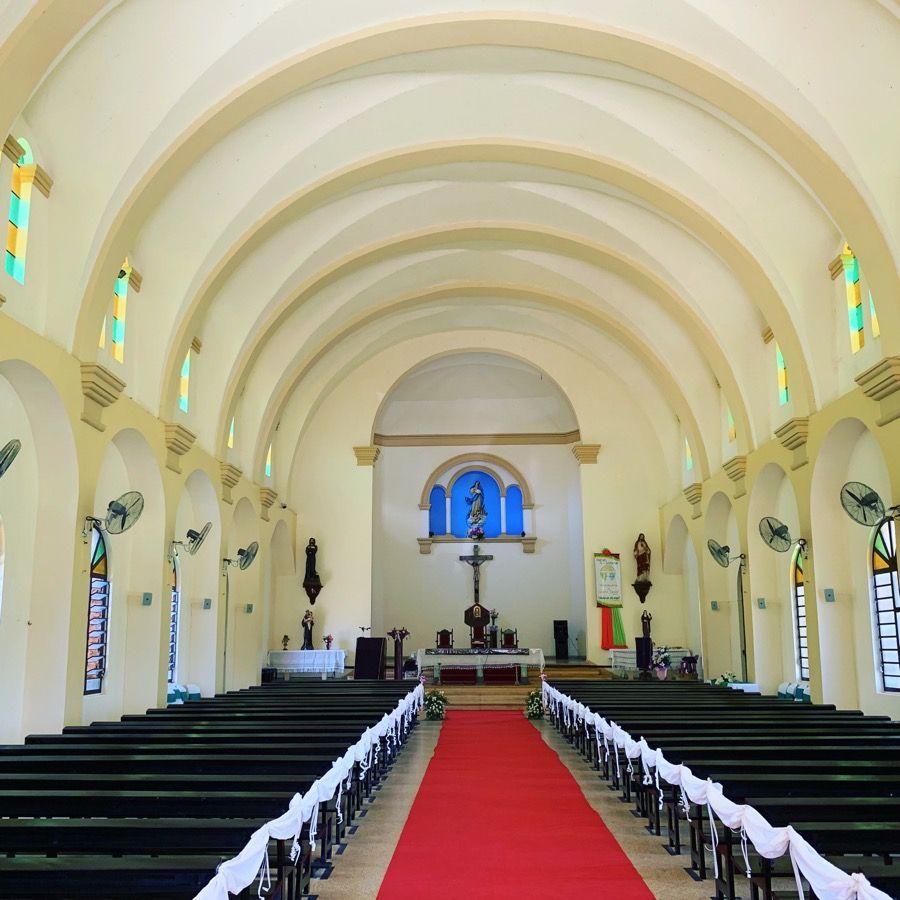
Jesuitical Path in Paraguay: A Cultural Tourism Guide
Jesuitical Path in Paraguay: a cultural tourism guide is one of the most fascinating cultural experiences in South America. While Paraguay is often associated with low taxes and investment opportunities, the country also preserves an extraordinary historical heritage. The Jesuitical Path allows travelers to discover ancient missions, indigenous Guaraní culture, colonial architecture, and beautiful subtropical landscapes.
The route recreates the historical path of the Jesuit missions established between the seventeenth and eighteenth centuries. These communities were created by Jesuit missionaries together with the Guaraní population living in the region. The missions became important cultural and artistic centers that influenced much of southern South America.
Although more than fifty Jesuit settlements originally existed, only around thirty consolidated over time. Eight of the most important sites are located in Paraguay. These include San Ignacio Guazú, Santa María de Fe, Santa Rosa, Santiago, San Cosme y San Damián, Encarnación, Santísima Trinidad del Paraná, and Jesús de Tavarangué.
UNESCO heritage and historical importance
The Jesuit missions of Santísima Trinidad del Paraná and Jesús de Tavarangué are among the best-preserved ruins in the country. Both were declared UNESCO World Heritage Sites because of their historical and architectural value.
These missions demonstrate the collaboration between Jesuit priests and the Guaraní people. The result was a unique fusion of European and indigenous traditions. Visitors can still admire stone churches, sculptures, religious carvings, plazas, and ancient urban layouts.
The missions were not only religious centers. They also functioned as schools, workshops, and organized communities. Music, sculpture, agriculture, and education played an important role in daily life.
Local crafts and Guaraní heritage
One of the most interesting aspects of the Jesuitical Path is local craftsmanship. In the departments of Misiones and Itapúa, artisans continue traditions inherited from previous generations.
Travelers can find handmade ponchos, hammocks, blankets, curtains, wood carvings, and embroidery. Stone carving is especially important around the Jesuit ruins. Many artists reproduce miniature versions of the old mission architecture.
The Guaraní cultural influence remains visible throughout the region. Language, gastronomy, and traditions continue to shape local identity. New cultural initiatives, such as the Guaraní Living Circuit in Yguazú, also help visitors understand indigenous spirituality and worldview.
Nature and eco-tourism
The Jesuitical Path is not limited to historical tourism. The route also offers nature and eco-tourism experiences. The region contains subtropical forests, rivers, lakes, and native wildlife.
Many travelers combine the Jesuit missions with outdoor activities. Boat trips, hiking, birdwatching, and eco-adventure parks are becoming increasingly popular.
Paraguay remains less crowded than many South American tourist destinations. This creates a more authentic experience for visitors seeking slower and less commercial tourism.
Encarnación and the southern route
Encarnación has become one of the main gateways to the Jesuitical Path. The city combines historical tourism with modern infrastructure and a relaxed lifestyle. Many travelers use Encarnación as a base to visit the nearby missions.
The southern region of Paraguay also offers access to riverside landscapes and local gastronomy. Traditional dishes such as chipa, mbejú, sopa paraguaya, and tereré are part of the cultural experience.
Why the Jesuitical Path deserves more attention
Paraguay is still an underrated tourism destination. Many international travelers know very little about the country beyond business or residency discussions. However, the Jesuitical Path demonstrates that Paraguay also possesses rich cultural and historical attractions.
The route combines architecture, religion, indigenous heritage, art, and nature. It offers a different type of South American travel experience. Visitors often discover a quieter and more authentic atmosphere than in neighboring tourist hotspots.
Another Side of Paraguay
Jesuitical Path in Paraguay cultural tourism guide shows another side of Paraguay. Beyond investment and residency opportunities, the country preserves one of the most important Jesuit legacies in Latin America.
For travelers interested in history, architecture, culture, and nature, the Jesuitical Path offers a unique journey through the Paraguayan past and present. Updated tourism infrastructure and growing international interest may finally give this route the visibility it deserves.

