The Cultural Mosaic of Paraguay: The Indigenous Heritage and Identity
The foundation of the cultural mosaic of Paraguay lies in its indigenous traditions, particularly those of the Guaraní people. The Guaraní were one of the most influential pre-Columbian groups in South America, and their legacy continues to shape Paraguayan identity.
- Community values: Guaraní traditions emphasize communal living, respect for nature, and oral storytelling.
- Spiritual beliefs: Many indigenous rituals link agriculture and fertility to harmony with the environment.
- Handicrafts: Artisans still practice weaving, pottery, and feather art. They often sell these products in local markets..
Paraguay integrates indigenous traditions into its national identity. This differs from other Latin American countries that marginalize these cultures.
Guaraní Language: A Living Legacy
One of the strongest expressions of the cultural mosaic of Paraguay is the Guaraní language.
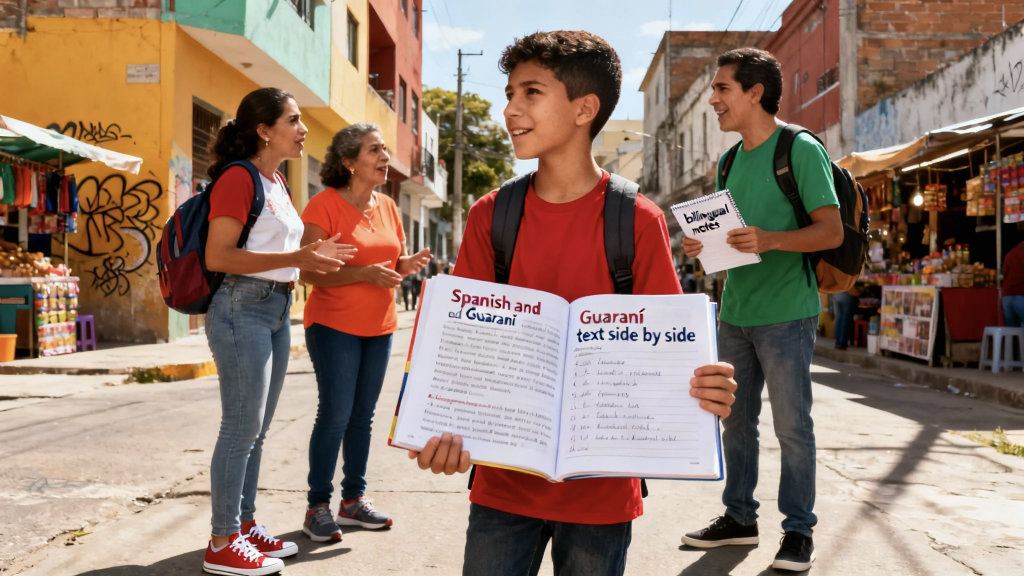
- Official status: Guaraní holds co-official status with Spanish. Around 90% of the population speaks it, making Paraguay unique in Latin America.
- Bilingual society: Most Paraguayans switch fluidly between Spanish (used in business and formal settings) and Guaraní (used in family life and casual interactions).
- Cultural preservation: Guaraní expressions and proverbs are part of everyday speech, reflecting deep cultural identity.
- Learning Guaraní as a foreigner: While challenging, expats who learn basic Guaraní phrases often find it a powerful way to connect with locals.
Festivals and Celebrations in Paraguay
Festivals are a vibrant part of the cultural mosaic of Paraguay, offering a window into its traditions and community spirit.
- Día de San Juan (June 24): A celebration with fire-jumping, games, and traditional foods.
- Fiesta de la Virgen de Caacupé (December 8): The most important religious festival, attracting thousands of pilgrims to the town of Caacupé.
- Carnival: Celebrated nationwide with music, dance, and colorful costumes, particularly popular in Encarnación.
- Indigenous festivals: Smaller communities celebrate agricultural cycles and ancestral rituals, often with music and dance.
These events highlight the blend of indigenous spirituality and Catholic traditions that define Paraguayan culture.

How Expats Can Integrate into the Cultural Mosaic of Paraguay
For foreigners living in Paraguay, understanding and embracing cultural traditions is key to integration.
- Learn the basics of Guaraní: Even a few words can break barriers and build trust.
- Participate in festivals: Attending local celebrations offers a deeper appreciation of community life.
- Respect indigenous customs: Be mindful when visiting rural areas or participating in rituals.
- Explore local art and music: Paraguayan harp music, dance, and crafts are accessible entry points into culture.
- Engage with history: Museums, cultural centers, and guided tours provide context for Paraguay’s unique heritage.
The Cultural Mosaic of Paraguay in Daily Life
Culture in Paraguay is not confined to festivals; it permeates daily routines:
- Food: Dishes like chipa (cheese bread) and sopa paraguaya (cornbread) combine indigenous and Spanish influences.
- Music: The Paraguayan harp and polka are iconic national symbols.
- Family ties: Paraguayan society is family-centered, with gatherings playing a crucial role in social life.
- Hospitality: Foreigners often experience tereré (cold yerba mate tea) as a ritual of sharing and friendship.
For expats, embracing these everyday aspects of life is just as important as attending major cultural events.
Why the Cultural Mosaic of Paraguay Matters
The cultural mosaic of Paraguay is more than history; it is a living, breathing reality. With Guaraní as a national language, vibrant festivals, and indigenous traditions integrated into daily life, Paraguay offers an authentic cultural experience that sets it apart from its neighbors. For expats and travelers, engaging with this mosaic is not only enriching but also essential for meaningful connection with local communities.
In a globalized world where many cultures risk homogenization, Paraguay’s cultural mosaic stands as a testament to resilience, diversity, and pride in indigenous heritage.

