Paraguay River: Navigating a Nation’s Lifeline
The economic importance of the Paraguay River is a concept that transcends simple geography, serving as the very lifeblood of a landlocked nation. For Paraguay, this winding waterway is far more than a scenic feature; it is a critical artery for international trade, a driver of key economic sectors, and a strategic asset in the intricate tapestry of South American commerce. Understanding the river’s role is fundamental for anyone looking to grasp the country’s economic dynamism, its logistical challenges, and its immense potential on the global stage.
The Economic Importance of the Paraguay River: A Backbone for Trade and Logistics
At the heart of the river’s significance lies its function as a central component of the Paraguay-Paraná Waterway (Hidrovía), one of the most vital inland navigation systems in the world. Stretching over 3,400 kilometers, this waterway provides Paraguay with its only direct, low-cost connection to the Atlantic Ocean. For a country with no coastline, this access is non-negotiable; it is the sole viable channel for moving large volumes of bulk cargo to international markets.
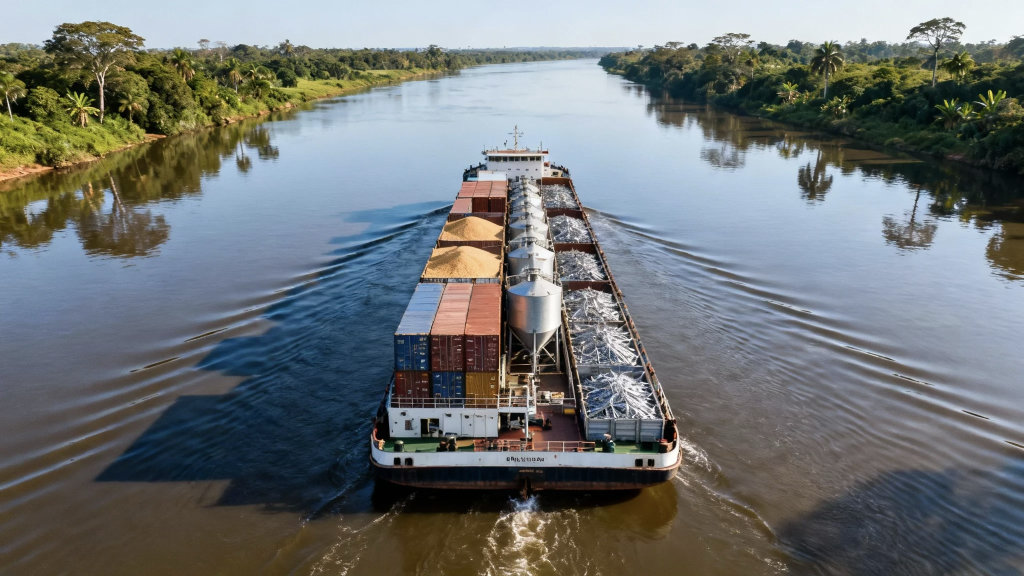
The sheer scale of the transport system is staggering. Fleets of barges, propelled by powerful tugboats known as “pushers,” navigate the river, carrying millions of tons of goods annually. The primary cargo includes staple exports that fuel Paraguay’s economy, such as soybeans, corn, and wheat, as well as cement, minerals, and other raw materials. This mode of transport is significantly more cost-effective than overland trucking, reducing logistical expenses and making Paraguay’s exports more competitive on the global stage. The ability to load goods onto barges in the heart of the continent and move them efficiently to deep-sea ports in Argentina and Uruguay is a logistical advantage that underpins the nation’s entire trade model.
This system is not without its challenges. The river’s navigability is highly dependent on water levels, which can fluctuate dramatically with seasons and climate patterns. Droughts can halt or severely impede traffic, creating logistical bottlenecks and significant economic losses. Consequently, the maintenance and dredging of the waterway are matters of national strategic interest, requiring consistent investment and international cooperation among the countries that depend on it. These continuous efforts highlight the critical, yet often fragile, nature of the river as an economic lifeline.
Fuelling Paraguay’s Economic Pillars: Agriculture, Industry, and Energy
The Paraguay River’s influence extends directly into the country’s most important economic sectors, acting as a crucial enabler of production and export.
- Agriculture and Livestock Paraguay’s economy relies heavily on agribusiness. The country is a leading exporter of soybeans and beef. The river is a vital link in this supply chain. Soybeans grow in vast quantities in the interior. They are moved to riverside silos and loaded onto barges. Bulk transport is the only way to move these massive volumes. This method meets international demand efficiently. The cattle industry also relies on the river. It helps transport feed and other essential inputs. This ensures products reach global markets effectively. Without the river, logistical costs would rise. This would severely hurt national profitability and the GDP.
- Industry and Urbanization Industrial parks sit along the river’s banks. Many factories operate near the metropolitan areas of Asunción. These businesses need water resources for manufacturing. The river provides water for cooling and processing needs. It has also played a key role in urbanization. Major cities developed along its banks for easy transport. This created a natural corridor for commercial activity.
- Energy and Resources The Paraguay River is part of a massive hydrological system. It supports the entire regional water basin. This system includes the Paraná River and the Itaipu Dam. The river manages water resources for existing hydroelectric projects. Its flow also represents a major source of energy. This resource is essential for the nation’s energy security. It guarantees long-term development for the country.
A Catalyst for Regional Integration and Geopolitical Strategy
The Paraguay River is not merely a domestic asset. It is a powerful force for regional integration and a key component of South American geopolitics. Serving as a natural border with both Brazil and Argentina, and connecting with Bolivia, the river creates a fluid corridor for commerce that ties four nations together. This shared resource fosters economic cooperation and strengthens diplomatic ties, cementing the river’s status as a symbol of regional interdependence.
The Hidrovía Paraguay-Paraná is a tangible representation of this integration. It allows Bolivia, another landlocked country, to gain a vital connection to the Atlantic. This shared benefit ensures that the river’s management and navigability are not just a Paraguayan concern but a multilateral priority. The continued success and expansion of the waterway are crucial for enhancing Mercosur trade and for boosting the economic prospects of all participating nations, making the river a strategic asset in the continent’s economic puzzle.
Ports, Infrastructure, and Future Development
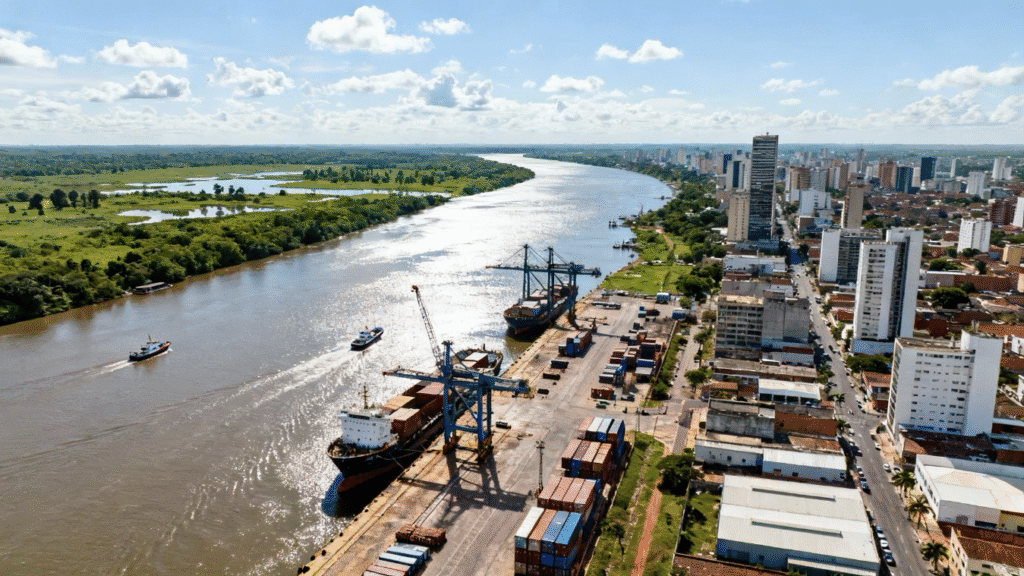
The river’s economic potential is realized through a network of ports and logistics infrastructure. The Port of Villeta, located just south of Asunción, is a prime example. As the country’s main cargo port, it handles the vast majority of soybean and grain exports, with large-scale private and public investments aimed at expanding its capacity. In Asunción, the port serves as a hub for both commercial goods and passenger traffic, reflecting the river’s multifaceted role. The ongoing development of new roads and bridges, such as those connecting the Chaco region, further enhances the river’s logistical importance, creating multimodal transport corridors that streamline the flow of goods from remote areas to the ports.
The future of the Paraguay River as an economic driver is tied to continued investment in its infrastructure. Projects to deepen the riverbed and improve navigation during low-water periods are constantly being planned and executed. These efforts, combined with the government’s push for a more diversified economy, promise to solidify the river’s role as a cornerstone of the nation’s growth strategy, ensuring that it remains a central and indispensable force in Paraguay’s journey towards economic prosperity.
The River Paraguay: A Strategic Asset in South America’s Economic Puzzle
In conclusion, the Paraguay River is a far cry from a static geographical feature. It is a living, breathing economic engine that underpins the country’s entire trade model. From enabling massive agricultural exports to driving industrial development and fostering regional cooperation, the river’s economic importance is undeniable. Its strategic value as a navigable waterway and a source of resources makes it a vital asset in the country’s pursuit of a stronger, more resilient economy. For Paraguay, the river is not just a part of the landscape; it is the key to unlocking its full economic potential on the world stage.

